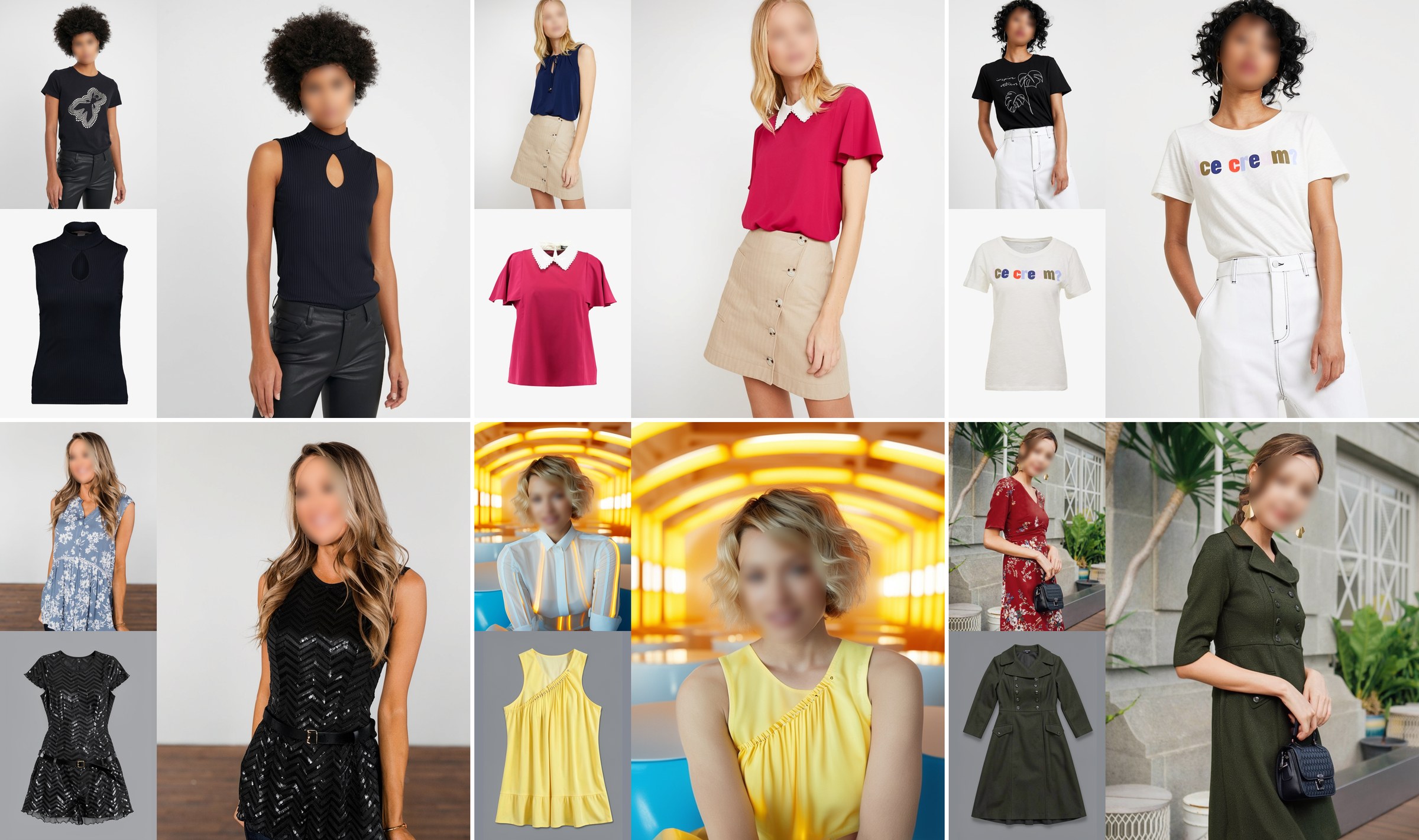
Virtual try-on aims to realistically transfer a reference garment onto a source image while preserving garment details such as textures, patterns, and logos, and maintaining the person's identity, pose, body shape, and personal attributes such as hands, hair, and jewelry. While recent diffusion-based methods achieve promising results, they typically rely on a stack of auxiliary modules, such as CLIP/IP-Adapter image encoders, pose estimators, and parallel warping networks, as well as on person-agnostic masks that erase precisely the regions most likely to hold the personal attributes that should be preserved. This added machinery increases system complexity and, as its intermediate predictions are rarely perfect, makes such methods struggle on in-the-wild inputs.
To address these issues, we present FameVTON, a single flow-matching model for virtual try-on that requires no auxiliary module at inference and relies on its strong attention mechanism to learn garment-to-person correspondences directly from the data. Moreover, to preserve high-frequency garment detail, we introduce Garment-Informed Sampling of Timesteps (GIST), a training-time timestep sampling strategy that allocates more low-noise supervision to garments with fine detail. Additionally, to enable mask-free training with the guarantee that personal attributes are preserved, we propose BLended-latent Attribute-preserving Sample Synthesis (BLASS), a data construction pipeline that uses a two-stage mask-based pass with blended latent diffusion to produce supervised mask-free training pairs in which everything outside the garment region is provably unchanged.
On VITON-HD, FameVTON sets a new state of the art against both mask-based and mask-free methods, achieving the best scores across all benchmark metrics, and it preserves hands and hair measurably better than the strongest baselines. FameVTON shows the same advantages on our in-the-wild benchmark and in visual quality.
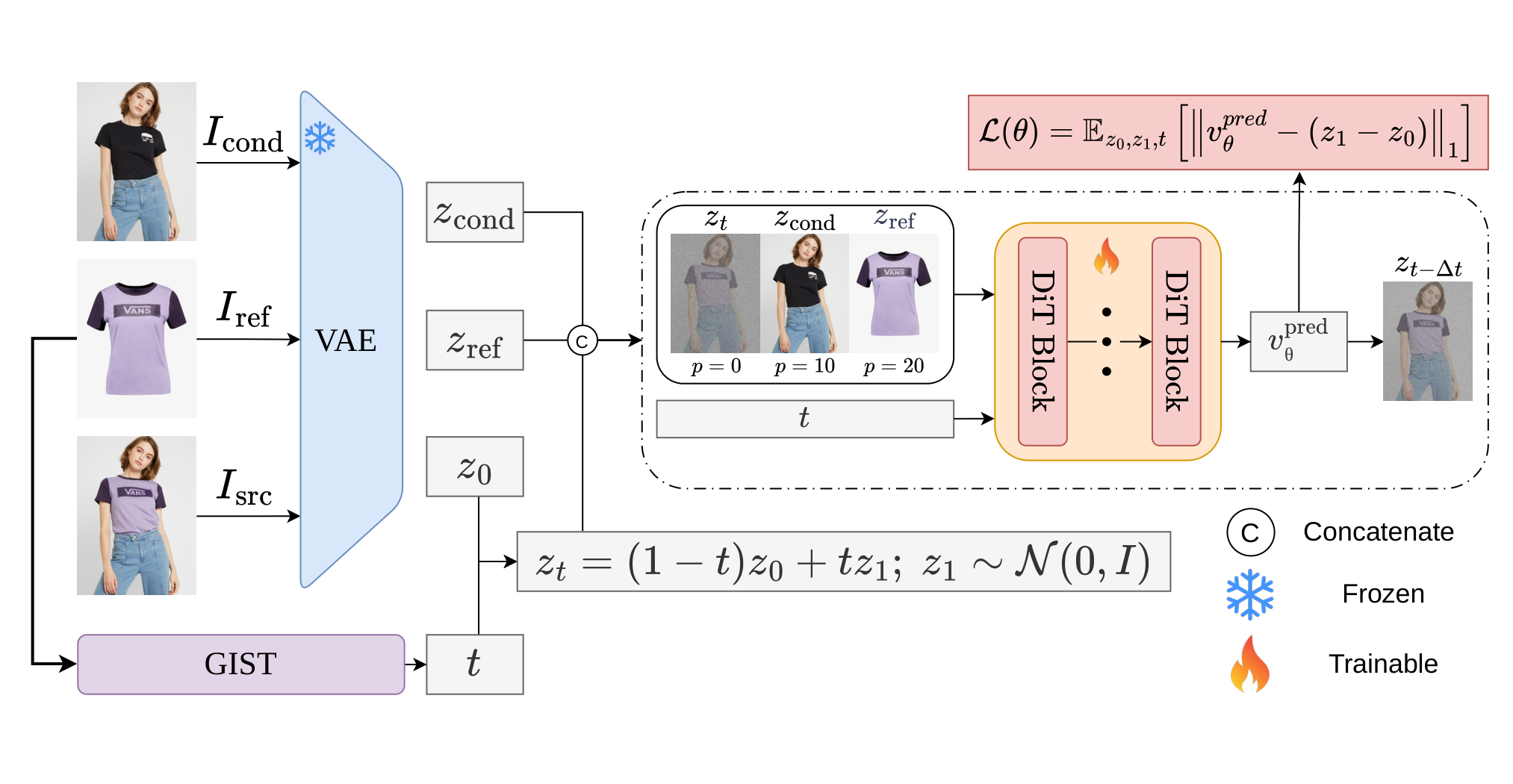
Overview of FameVTON. The source image \(I_{\text{src}}\), the conditioning image \(I_{\text{cond}}\) (the same person in a different garment), and the reference garment \(I_{\text{ref}}\) are encoded by a frozen VAE into \(z_0\), \(z_{\text{cond}}\), and \(z_{\text{ref}}\). GIST samples the timestep \(t\) from the garment, yielding the noisy target \(z_t=(1-t)z_0+tz_1\). The three latents are concatenated with stream-index offsets \(p=0/10/20\) and passed to a single flow-matching transformer, which predicts the velocity \(v_\theta^{\text{pred}}\) on the target stream, and training minimizes the \(\ell_1\) velocity loss. No mask, parser, pose estimator, or text encoder is used.
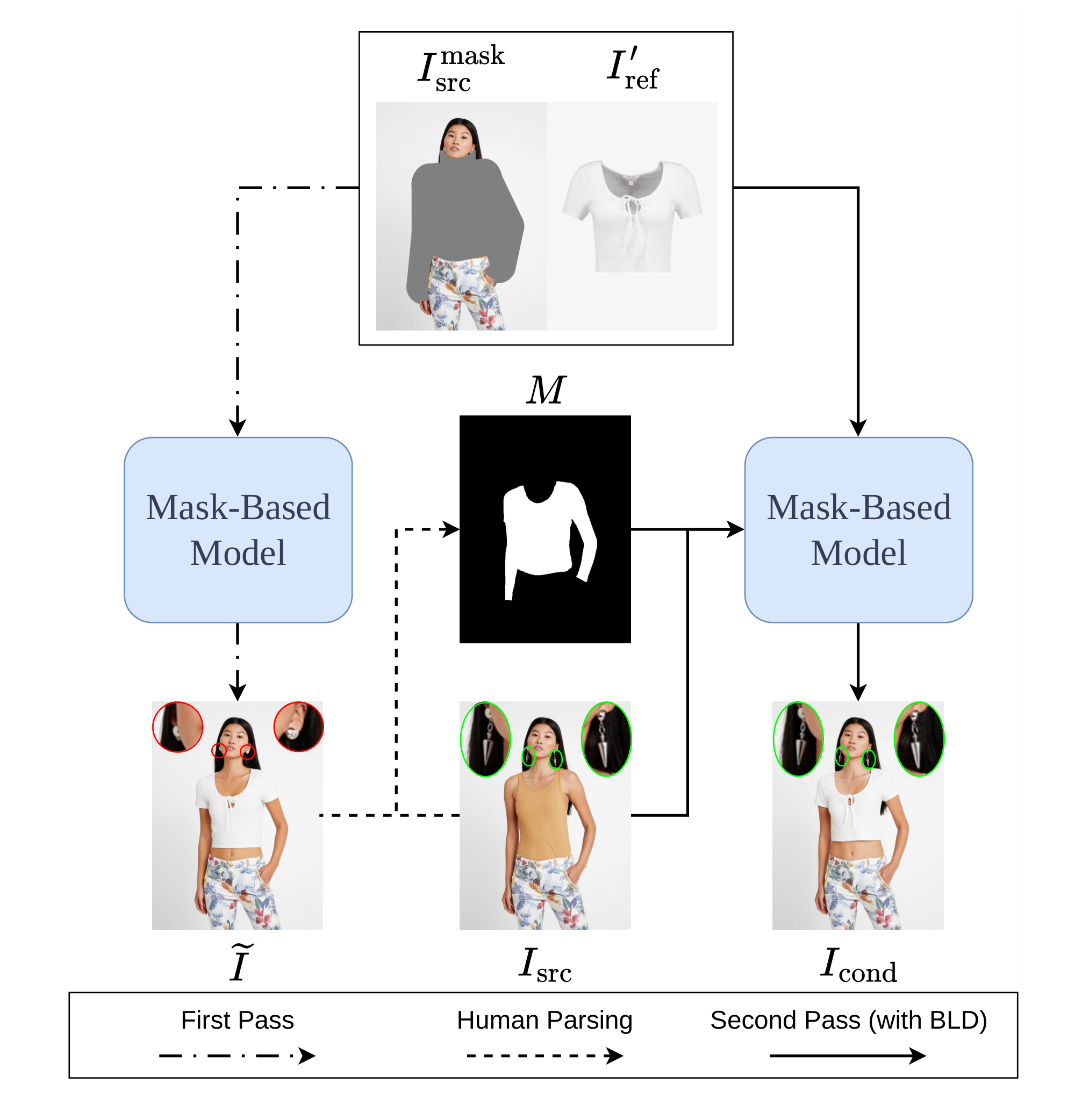
BLASS mask-free data construction. A two-stage mask-based teacher converts a real image into an attribute-preserving training pair. In the first pass, the person-agnostic source \(I_{\text{src}}^{\text{mask}}\) is dressed in a different garment \(I'_{\text{ref}}\) to obtain \(\widetilde{I}\). A human parser then extracts the edit mask \(M\) from \(\widetilde{I}\) and the real source \(I_{\text{src}}\). In the second pass, blended latent diffusion regenerates only \(M\) while copying everything else from \(I_{\text{src}}\), giving the conditioning image \(I_{\text{cond}}\). FameVTON is trained with \(I_{\text{cond}}\) as input, the original garment \(I_{\text{ref}}\) as reference, and the real \(I_{\text{src}}\) as target.
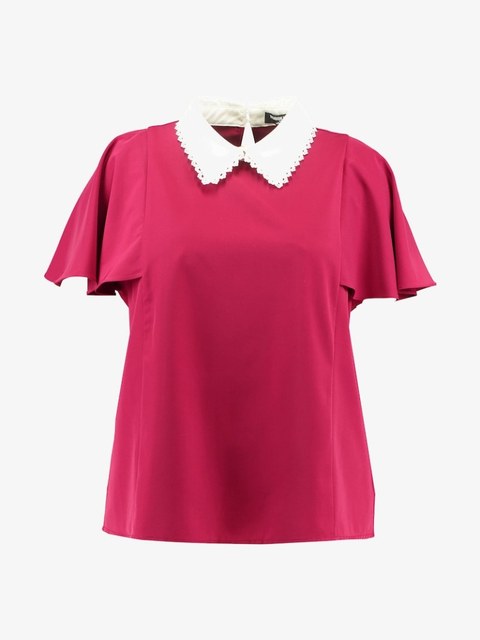
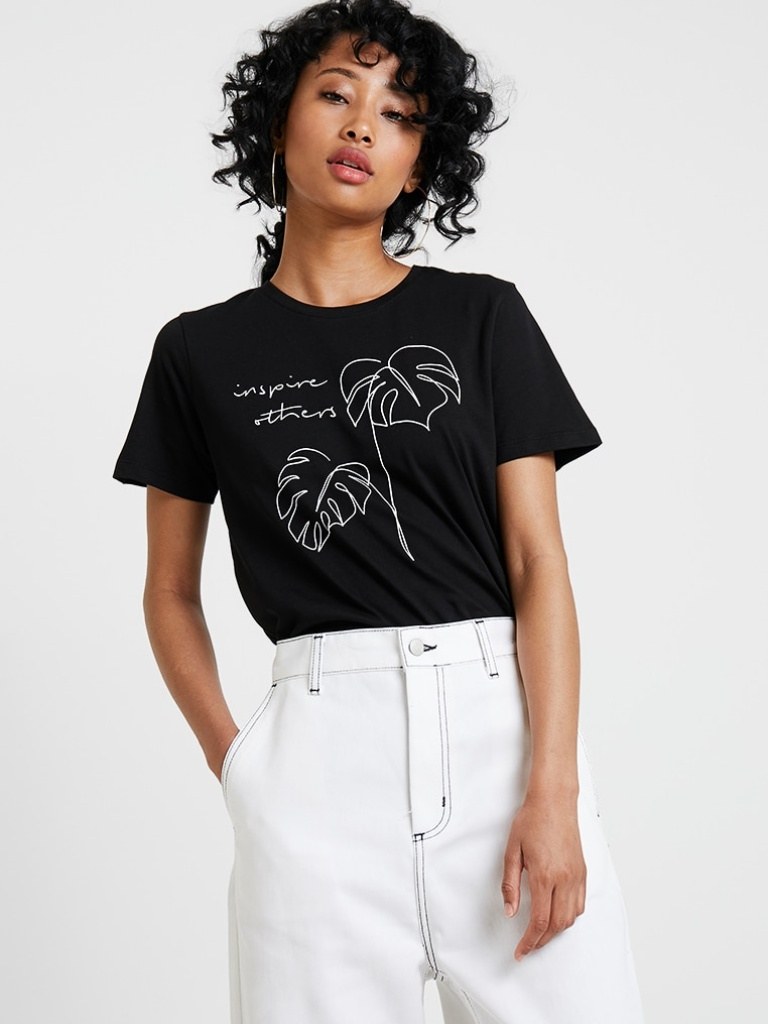
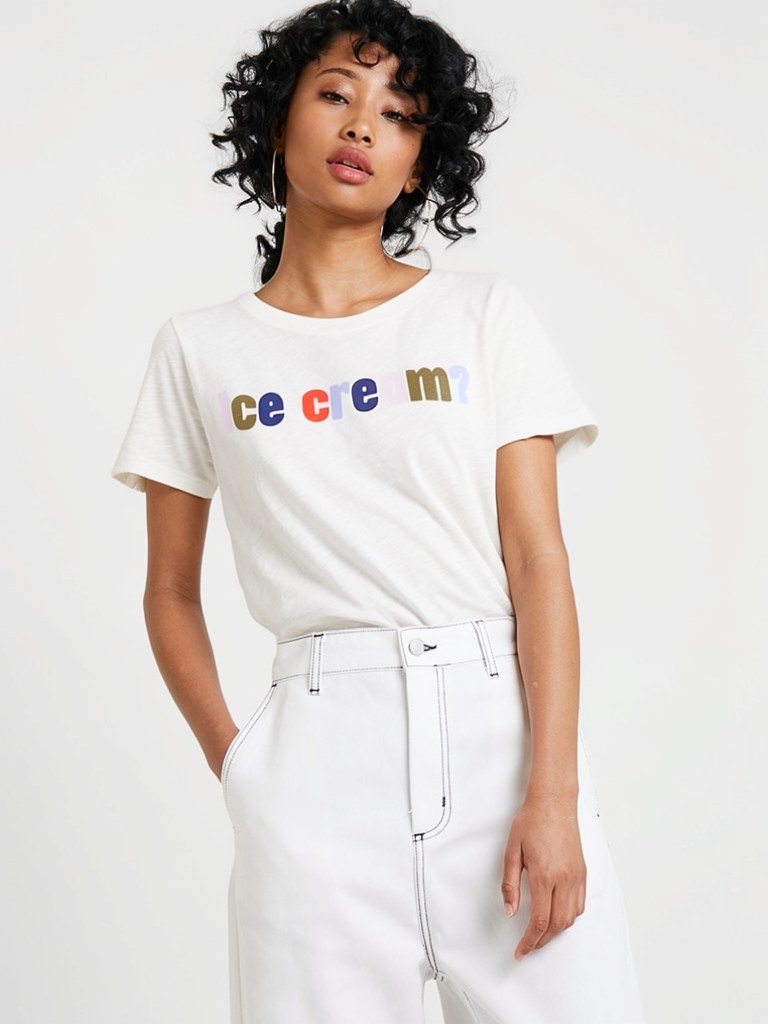
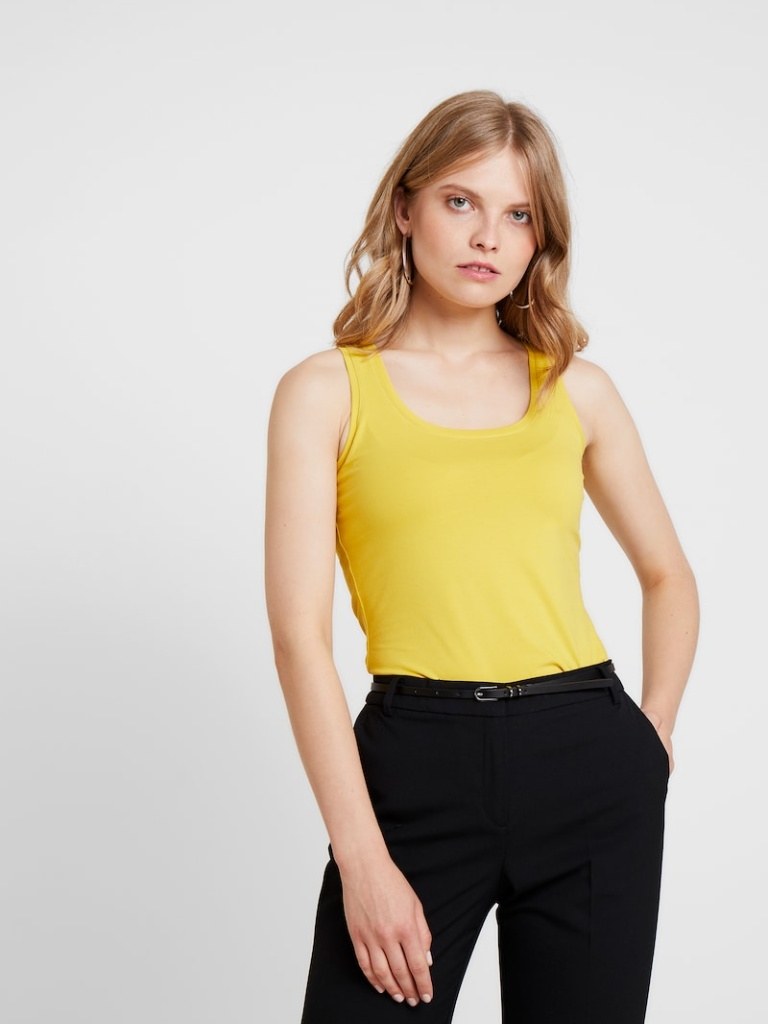
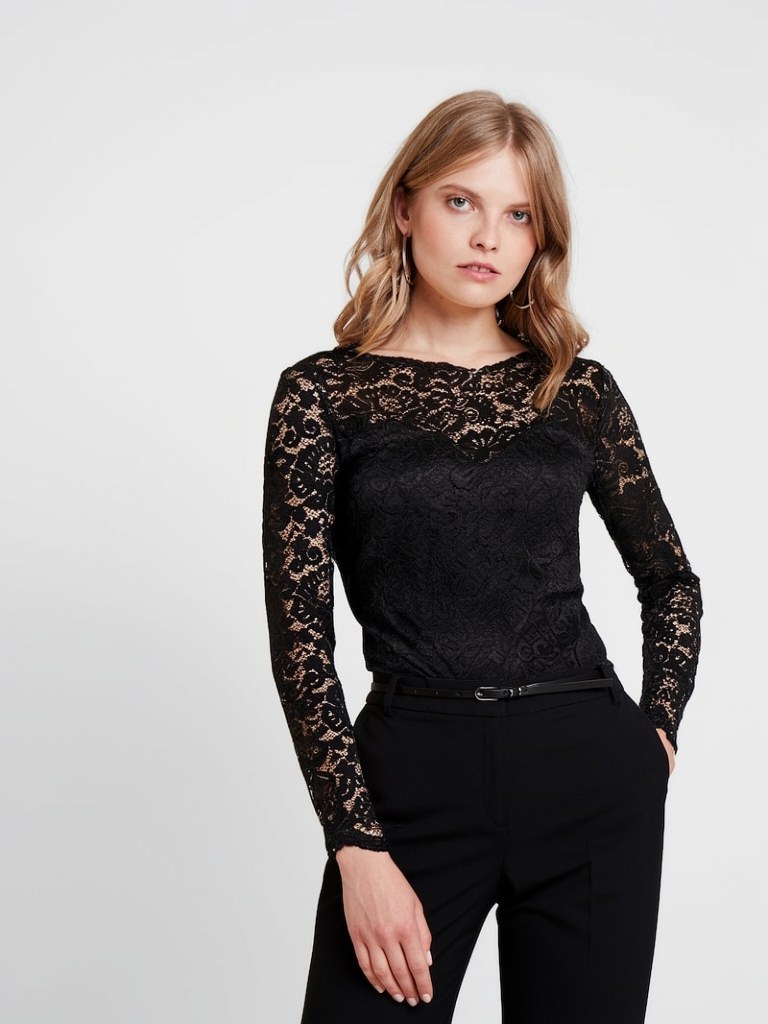
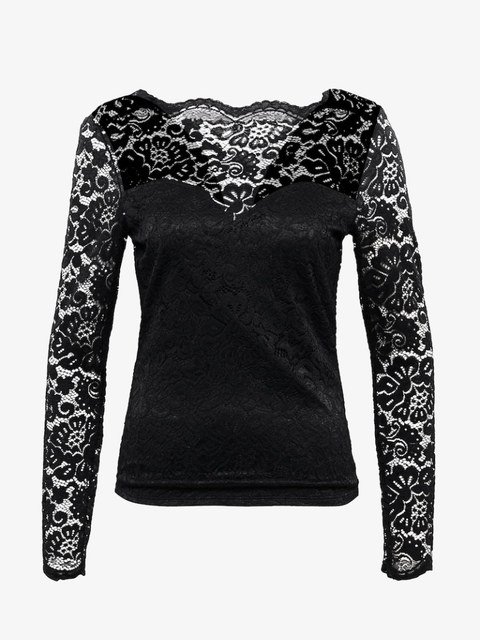
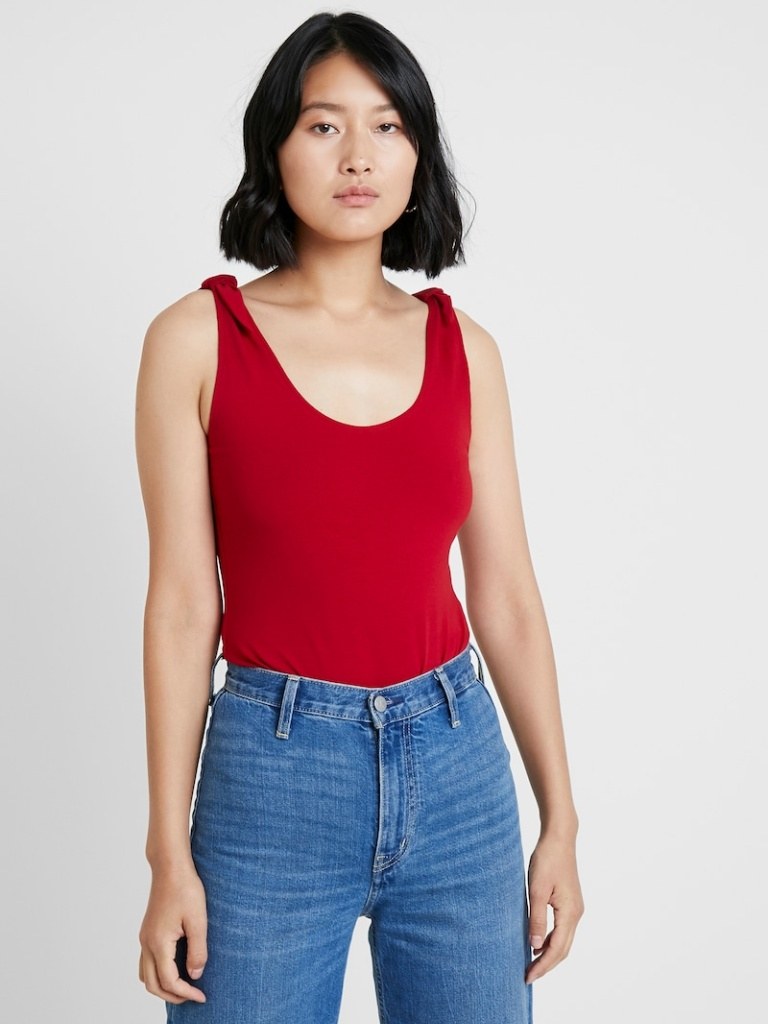
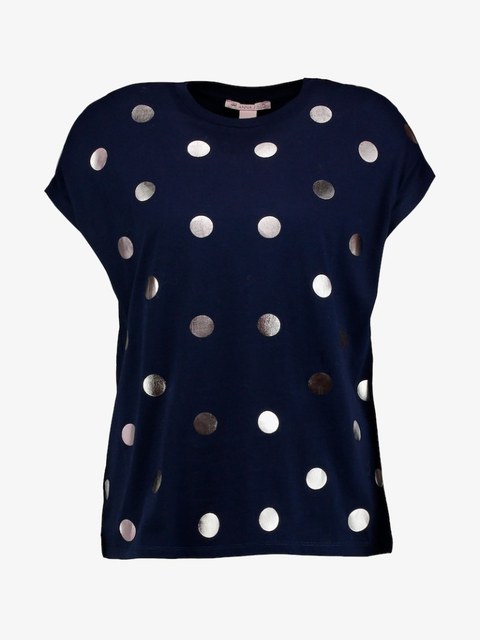
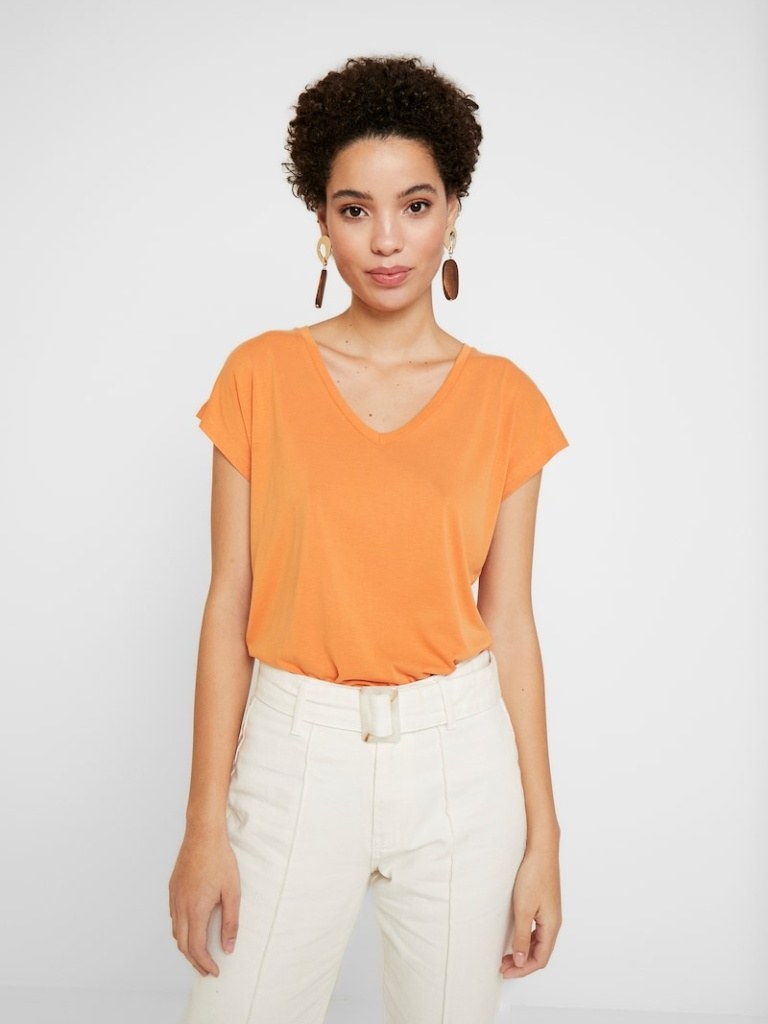
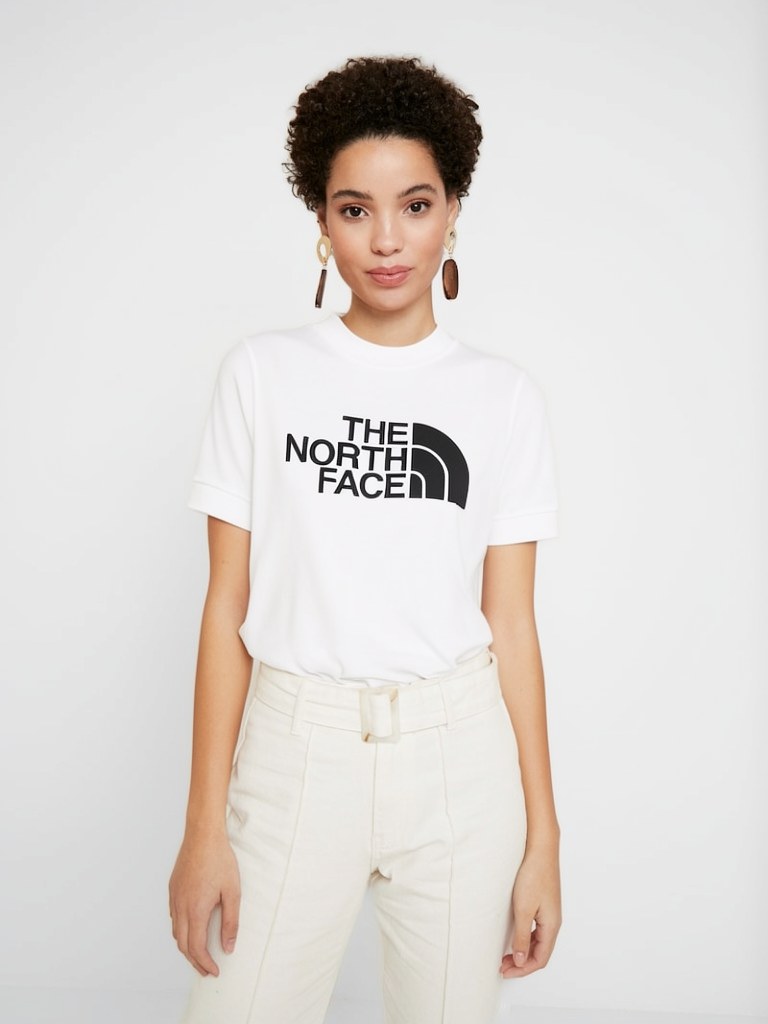
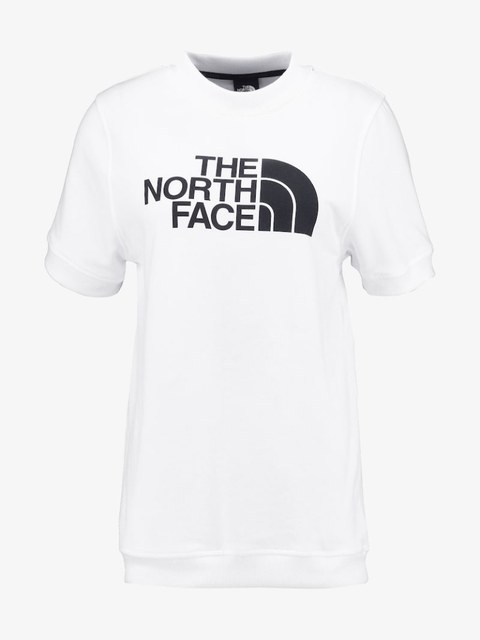
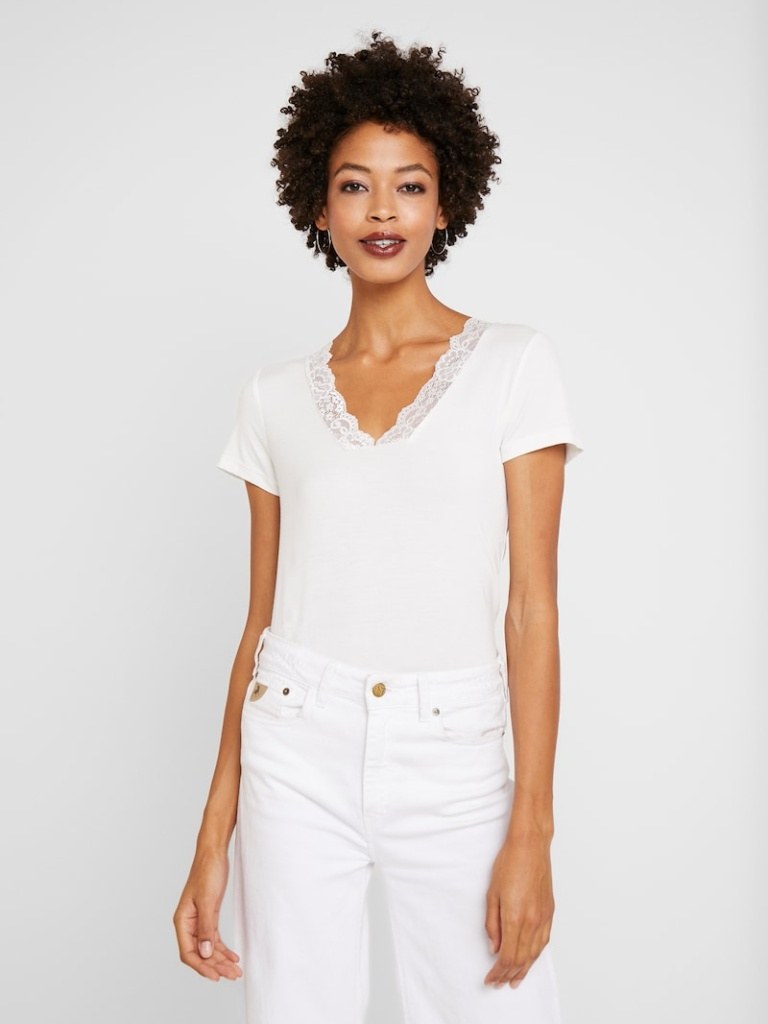
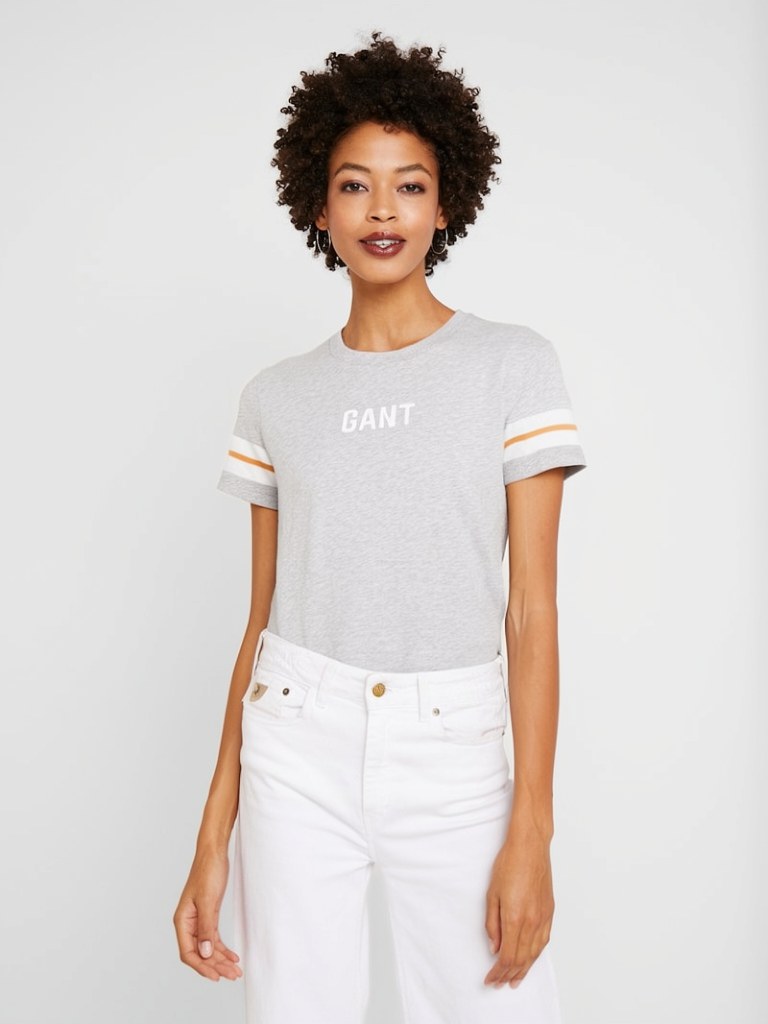
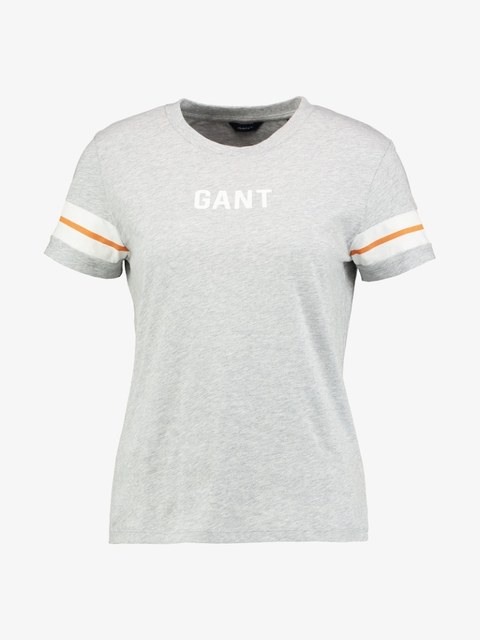
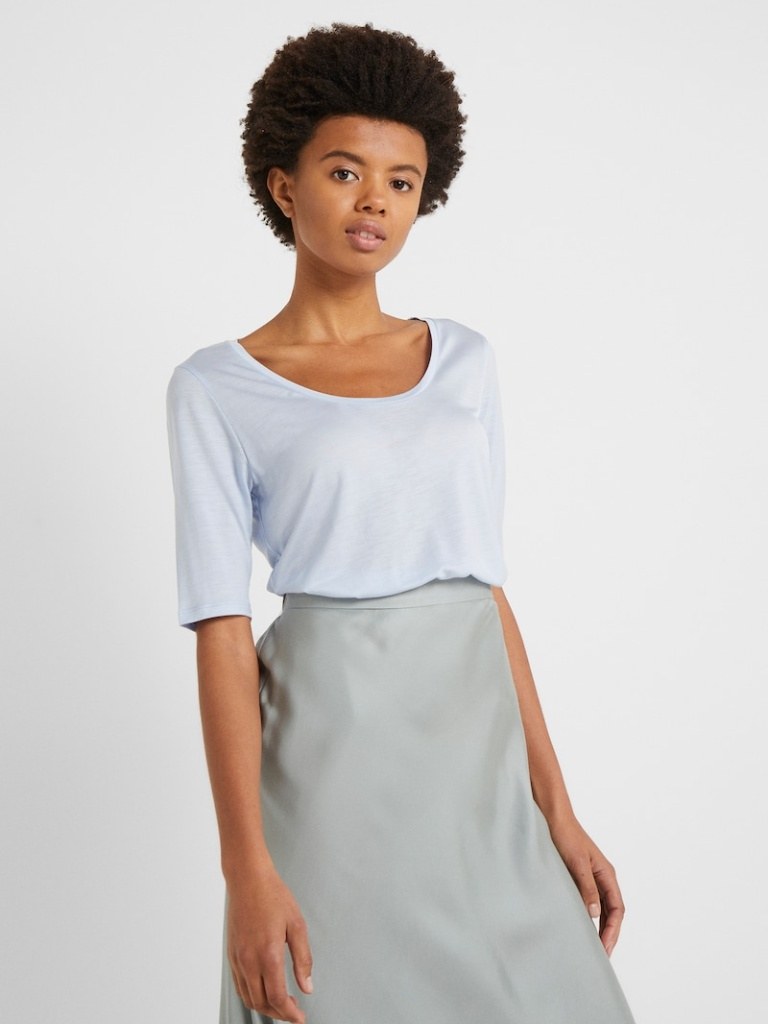
Each person is dressed in a new garment (shown in the corner). Drag the slider to compare the input with our result.
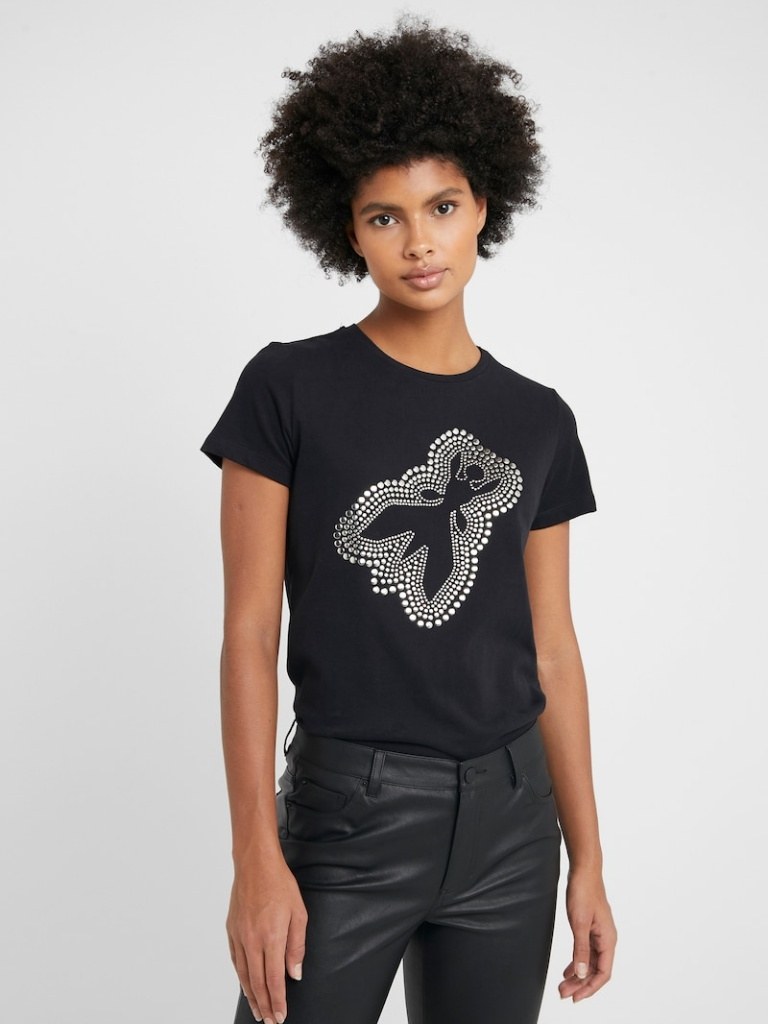
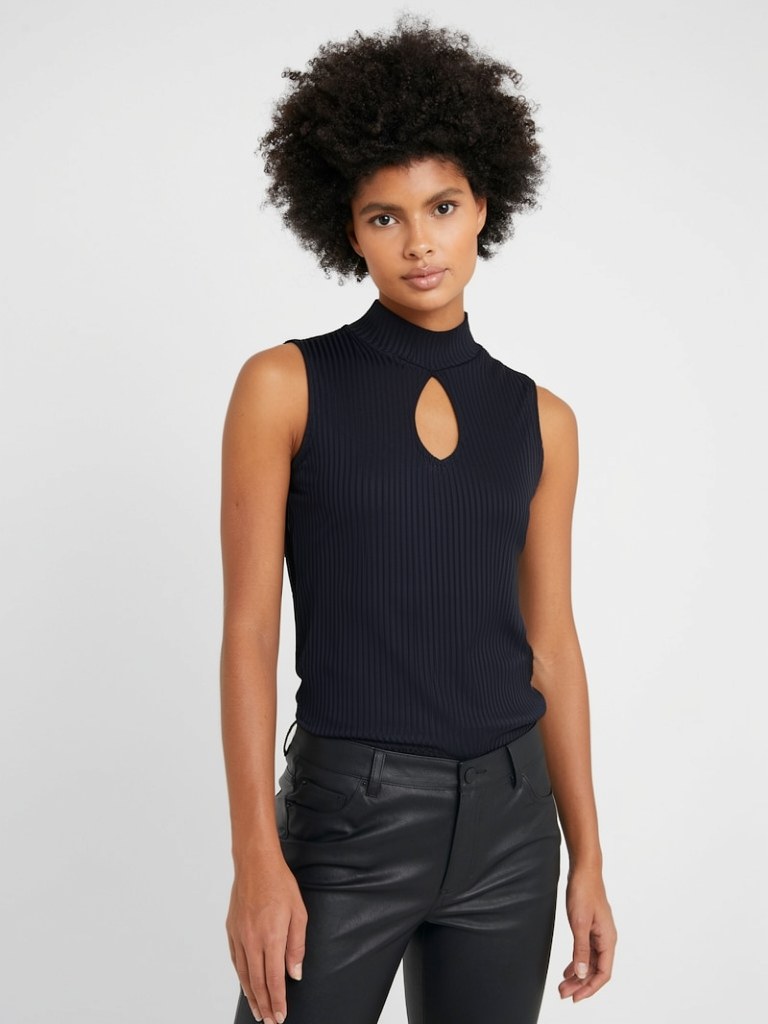
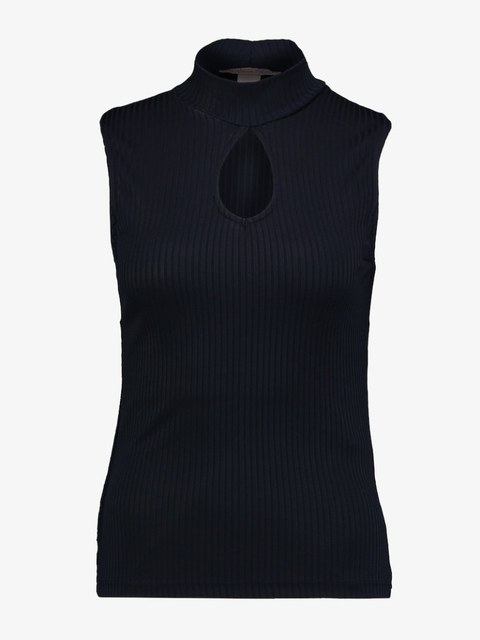 Input
FameVTON
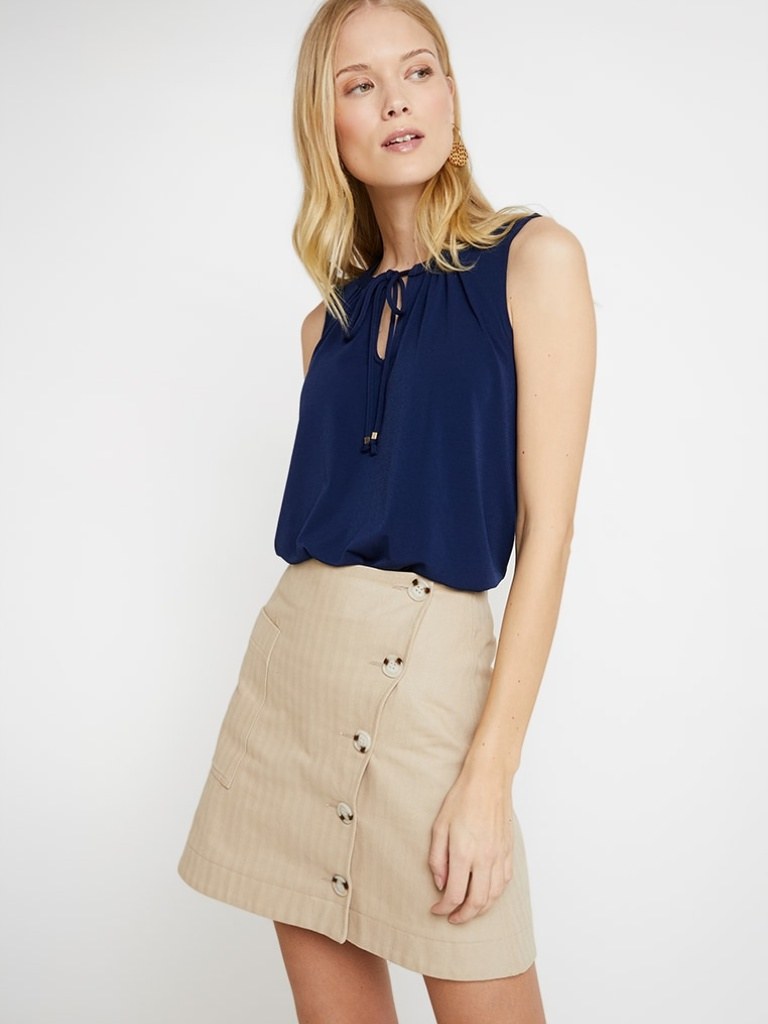
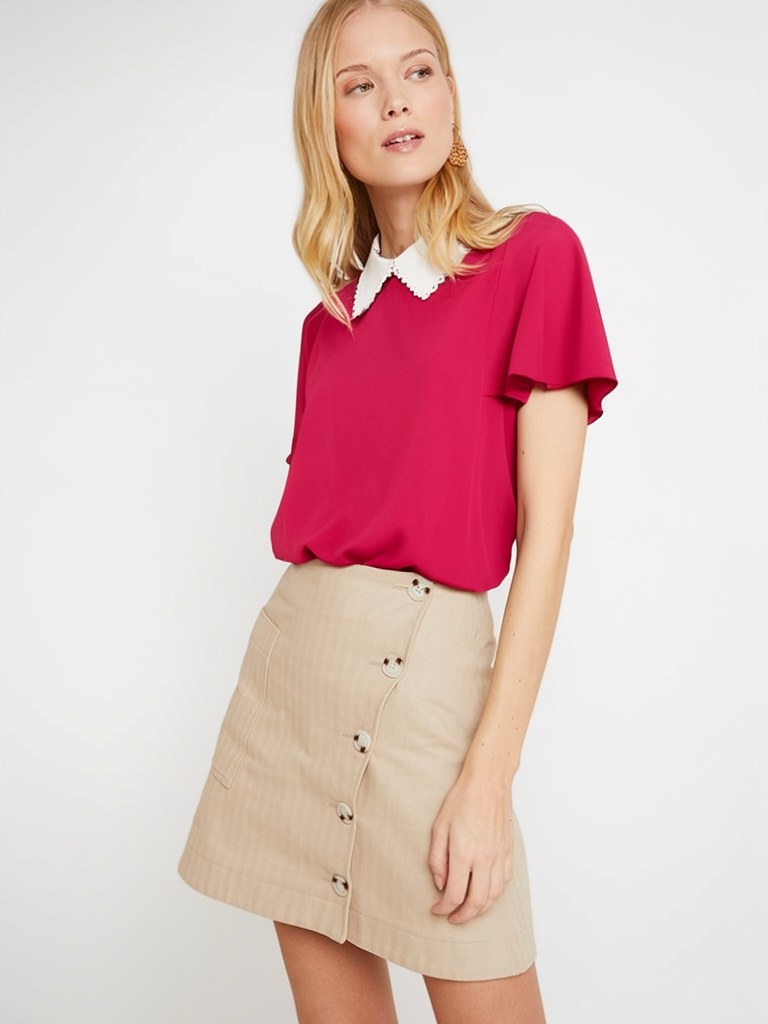
 Input
FameVTON
 Input
FameVTON
 Input
FameVTON
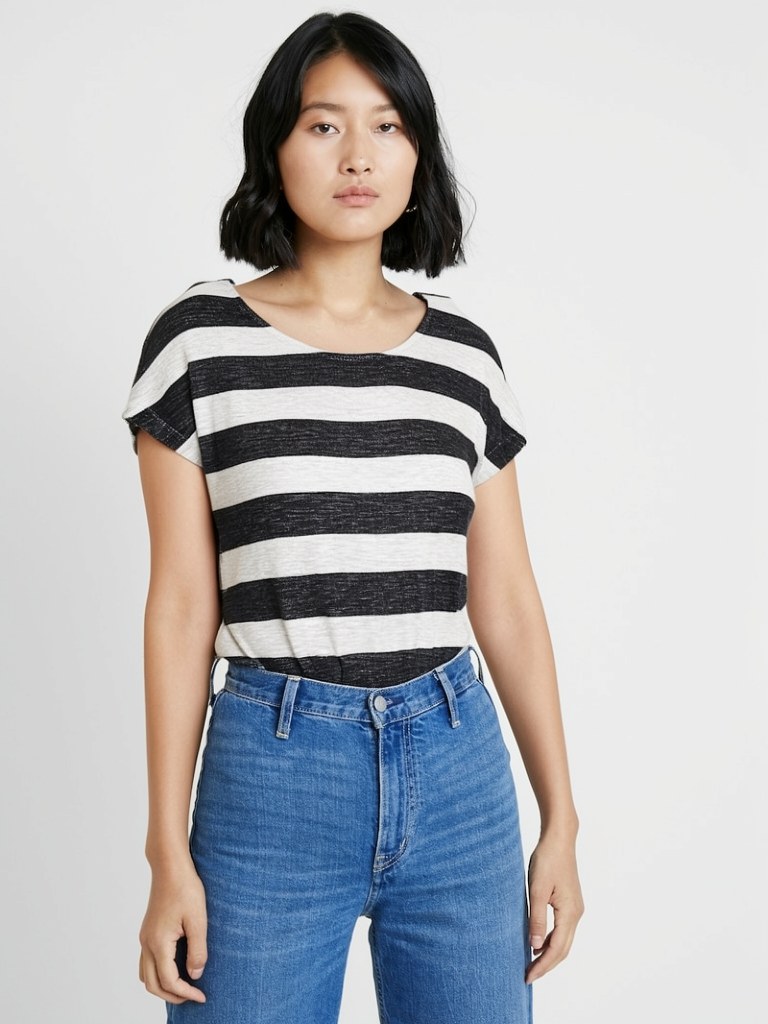
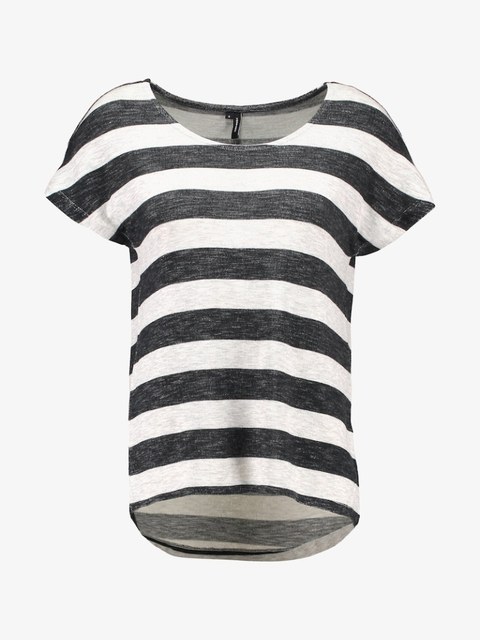 Input
FameVTON
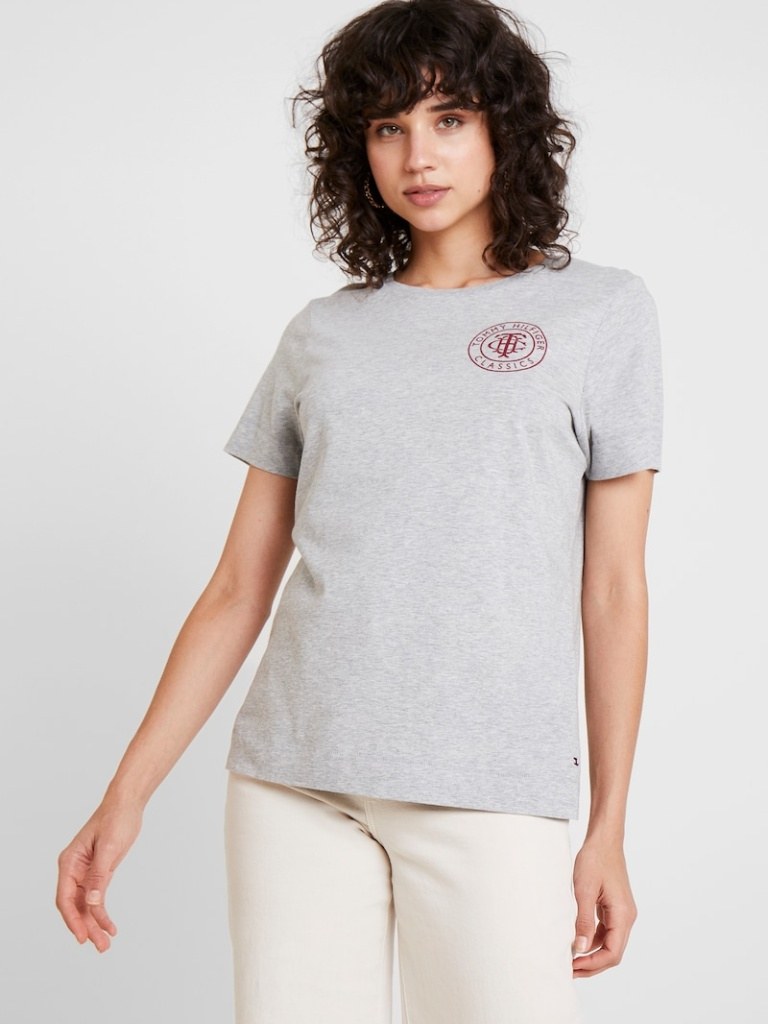
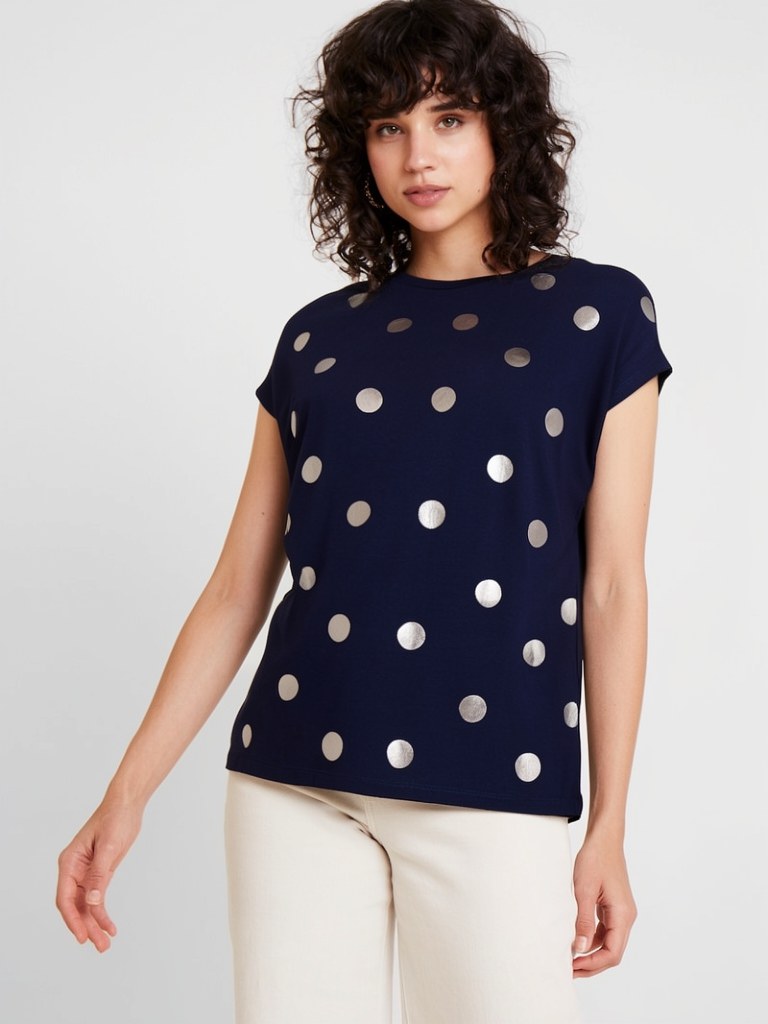
 Input
FameVTON
 Input
FameVTON
 Input
FameVTON
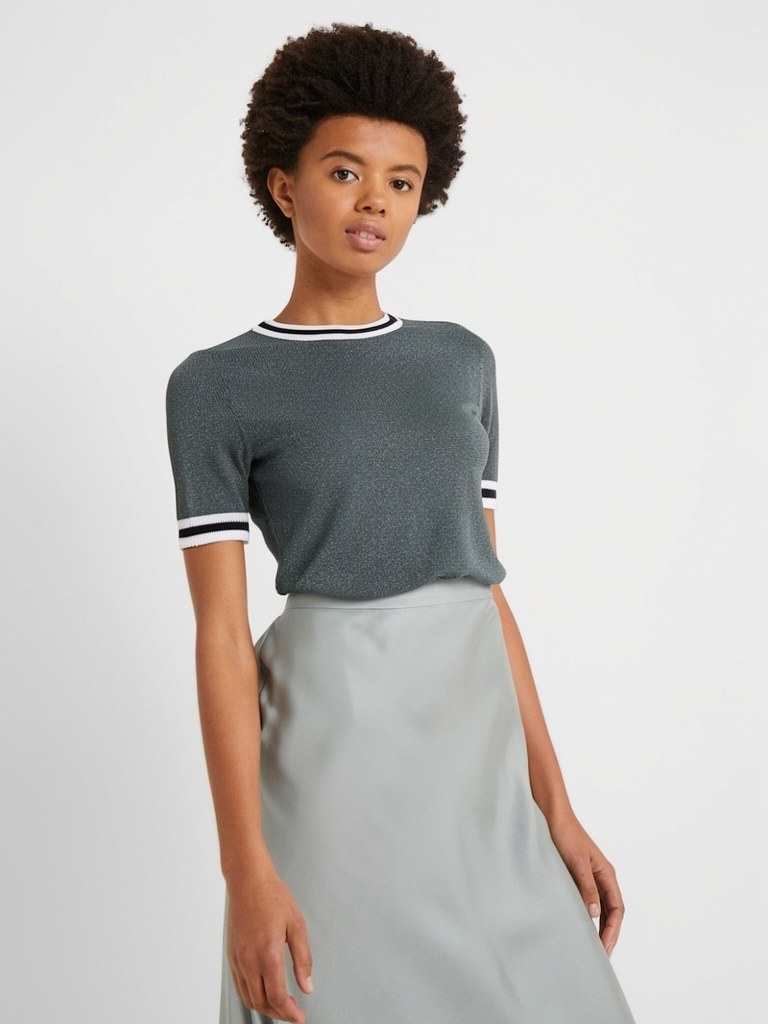
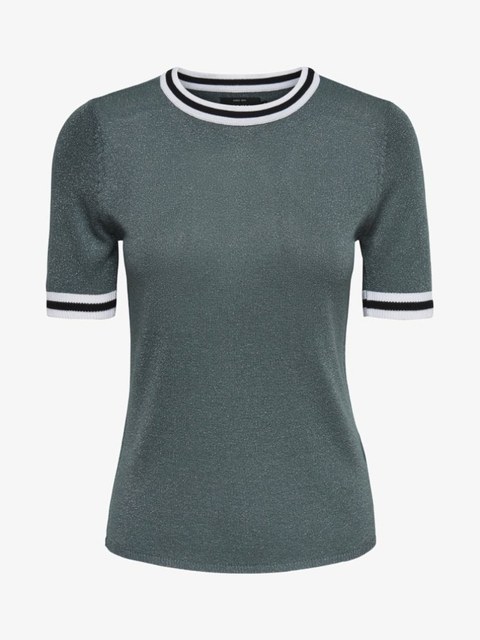 Input
FameVTON
| Method | VITON-HD | In-the-wild | ||||||
|---|---|---|---|---|---|---|---|---|
| Paired | Unpaired | Unpaired | ||||||
| FID↓ | KID↓ | SSIM↑ | LPIPS↓ | FID↓ | KID↓ | FID↓ | KID↓ | |
| Mask-based | ||||||||
| LaDI-VTON* | 6.66 | 1.08 | 0.876 | 0.091 | 9.41 | 1.60 | – | – |
| StableVITON | 8.23 | 0.49 | 0.888 | 0.073 | – | – | 24.81 | 4.13 |
| OOTDiffusion | 9.30 | 4.09 | 0.819 | 0.088 | 12.41 | 4.68 | 28.78 | 7.22 |
| IDM-VTON | 5.76 | 0.73 | 0.850 | 0.063 | 9.84 | 1.12 | 23.29 | 3.33 |
| CatVTON | 5.42 | 0.41 | 0.870 | 0.057 | 9.02 | 1.09 | 24.30 | 2.94 |
| LEFFA | 4.54 | 0.05 | 0.866 | 0.048 | 8.52 | 0.32 | 23.00 | 1.62 |
| Mask-free | ||||||||
| Qwen-Image LoRA | 8.71 | 2.82 | 0.812 | 0.112 | 9.55 | 1.73 | 19.27 | 1.40 |
| BooW-VTON* | 6.88 | 1.37 | 0.862 | 0.108 | 8.81 | 0.82 | – | – |
| MF-VITON* | – | – | 0.886 | 0.088 | 8.44 | 0.56 | – | – |
| FameVTON (Ours) | 4.03 | 0.05 | 0.896 | 0.046 | 7.88 | 0.18 | 18.30 | 1.45 |
Bold: best, underline: second best. * In-the-wild metrics are unavailable due to a missing public checkpoint or inference code.
If you use our work in your research, please cite our publication:
@inproceedings{beginyan2027famevton,
  title     = {FameVTON: Fine-Detail Adaptation for Mask-Free Editing in Virtual Try-On},
  author    = {Beginyan, Mher and Manukyan, Hayk and Navasardyan, Shant},
  booktitle = {Proceedings of the IEEE/CVF Winter Conference on Applications of Computer Vision (WACV)},
  year      = {2027}
}